
Google Forms templates provide an excellent starting point for creating professional surveys, questionnaires, and data collection forms, but the real power lies in customizing these…
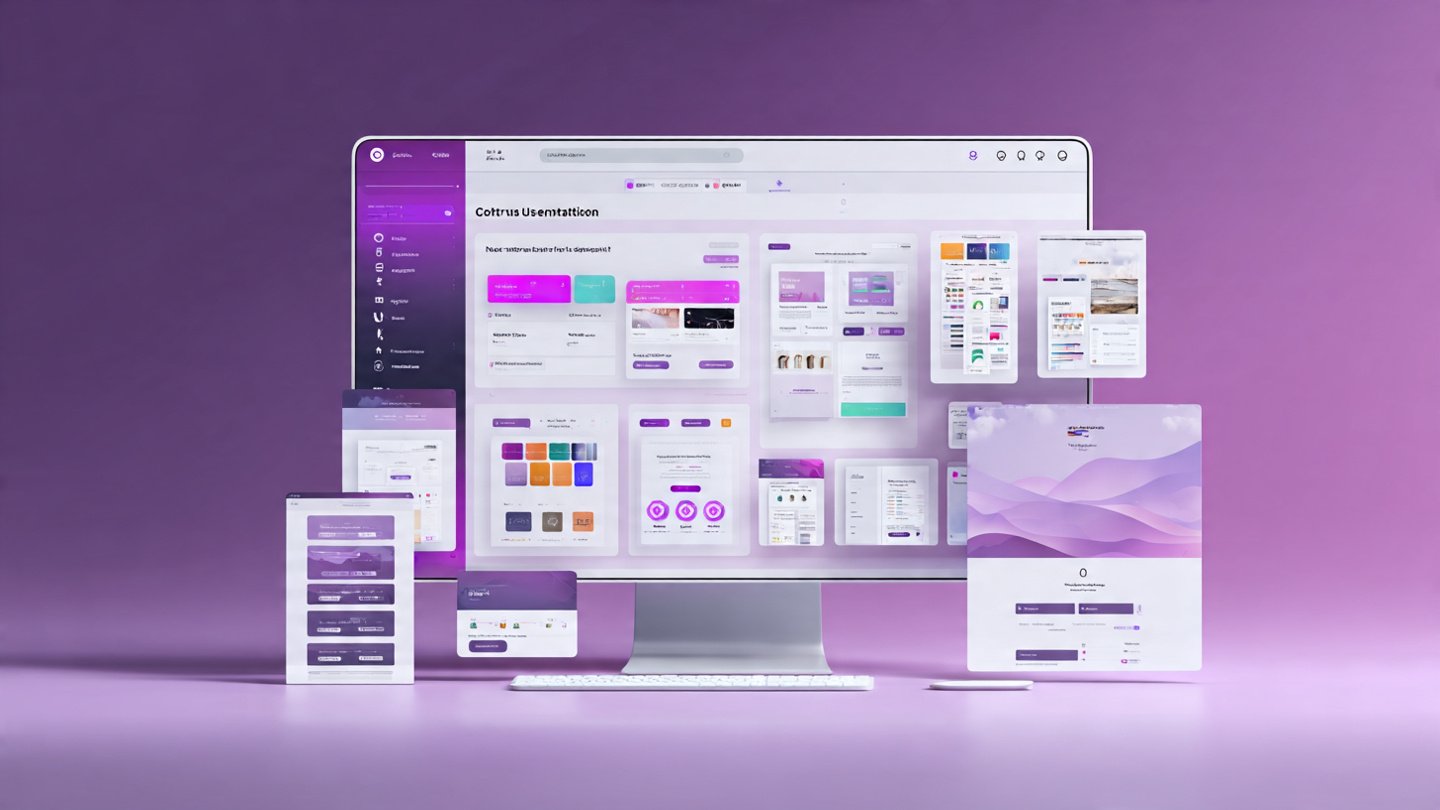
How to Customize Google Forms Templates
Google Forms templates provide an excellent starting point for creating professional surveys, questionnaires, and data collection forms, but the real power lies in customizing these templates to match your specific needs and brand identity. In this comprehensive guide, you’ll discover how to transform basic Google Forms templates into polished, personalized forms that engage your audience and collect better responses.
Customizing your Google Forms templates isn’t just about aesthetics—it’s about creating a seamless user experience that reflects your professionalism and increases response rates. Whether you’re collecting customer feedback, organizing events, or conducting research, a well-customized form can significantly impact the quality and quantity of responses you receive.
Why Use Google Forms for This?
Google Forms stands out as the premier choice for creating customizable online forms because it combines powerful functionality with user-friendly design tools, all while being completely free to use. The platform offers robust customization options that allow you to create professional-looking forms without any coding knowledge, making it accessible to businesses, educators, and individuals alike.
Cost-Effective Solution
Google Forms is completely free to use with your Google account, offering unlimited forms and responses. This makes it an ideal choice for small businesses, nonprofits, and individuals who need professional-quality forms without the expense of premium form builders.
Seamless Integration
Forms automatically integrate with Google Sheets for real-time data collection and analysis. You can also connect with other Google Workspace tools like Google Drive, Gmail, and Google Calendar for streamlined workflow management.
Mobile-Responsive Design
All Google Forms templates are automatically optimized for mobile devices, ensuring your customized forms look great and function perfectly across smartphones, tablets, and desktop computers. This responsive design helps maximize response rates from users on any device.
Real-Time Collaboration
Multiple team members can collaborate on form customization simultaneously, with changes appearing in real-time. This collaborative approach speeds up the design process and ensures everyone can contribute to creating the perfect form template.
Step-by-Step Guide
- Navigate to forms.google.com and click the “Template Gallery” option at the top right of the page, then browse through the available free forms templates including contact forms, event registration, and feedback surveys to find one that closely matches your intended purpose.
- Select your chosen template by clicking on it, which will automatically create a new form based on that template and open the form editor where you can begin making your customizations immediately.
Save time by choosing a template that already includes the question types you need most, as it’s easier to modify existing questions than to build everything from scratch.
- Click on the form title at the top of the page and replace it with your custom title, then add a description that clearly explains the form’s purpose and what respondents can expect when filling it out.
- Customize the visual appearance by clicking the palette icon in the top toolbar, where you can select from preset themes, upload a custom header image, or choose colors that match your brand identity.
- Modify existing questions by clicking on each one individually, changing the question text, adjusting the question type if needed, and updating answer options to match your specific requirements.
Use the drag-and-drop functionality to reorder questions logically, placing the most important or engaging questions first to maintain respondent interest throughout the form.
- Add new questions by clicking the plus icon in the floating toolbar on the right, selecting the appropriate question type from the dropdown menu, and configuring the question settings including whether responses are required.
- Configure form settings by clicking the gear icon, where you can enable features like response receipts, limit responses, set up quiz scoring if applicable, and control who can access your form.
- Preview your customized form by clicking the eye icon to see exactly how respondents will experience your form, then make any final adjustments before sharing your polished online forms with your target audience.
Always test your form by submitting a response yourself to ensure all questions work correctly and the user experience flows smoothly from start to finish.
Pro Tips
- Use conditional logic by enabling “Go to section based on answer” to create dynamic forms that show different questions based on previous responses, making your forms more personalized and efficient.
- Add images or videos to questions to provide visual context and make your form template more engaging, especially useful for product feedback forms or visual preference surveys.
- Set up response validation for email addresses, phone numbers, and other specific data types to ensure you collect clean, usable information from respondents.
- Create multiple sections within your form to organize long surveys into logical groups, making them less overwhelming and improving completion rates.
- Use the “Shuffle question order” setting for surveys where question order might bias responses, ensuring more accurate data collection for research purposes.
Common Mistakes to Avoid
Many users make the mistake of over-customizing their Google Forms templates, adding too many visual elements or complex branching logic that can slow down loading times and confuse respondents. Another frequent error is failing to test forms on mobile devices, where longer forms or complex layouts may not display properly. Additionally, many people forget to customize the confirmation message that appears after form submission, missing a valuable opportunity to thank respondents, provide next steps, or share additional resources. Finally, neglecting to set up proper sharing permissions can either limit access when you want responses or make forms too public when handling sensitive information.
Conclusion
Customizing Google Forms templates is a powerful way to create professional, engaging online forms that serve your specific needs while maintaining a consistent brand experience. By following these steps and implementing the pro tips provided, you’ll be able to transform basic templates into highly effective data collection tools that drive better response rates and gather more valuable insights. Ready to get started with professionally designed templates that you can customize in minutes? Explore the extensive collection of free Google Forms templates at FormsGen templates and discover how easy it can be to create stunning forms that get results.